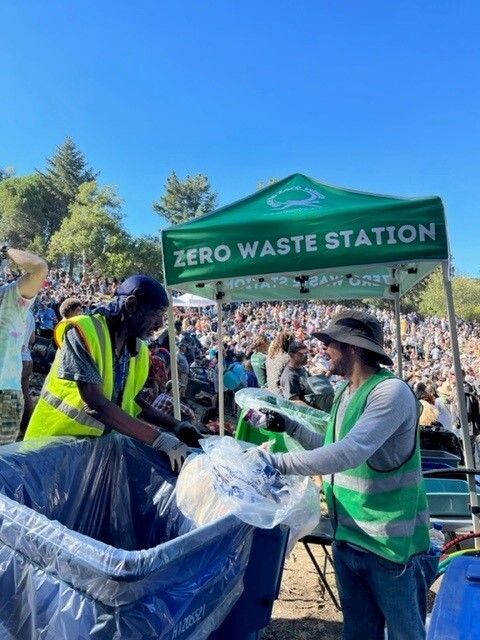
Ready to supercharge your zero waste journey? Transform your October into a Zero Waste SPRINT! Don't forget to sign up for the social media challenge and get started by heading over to zerowastemonth.org. We've got some amazing resources for you to get inspired, take action and share your creative solutions with the world on social media.
#ZeroWasteMonth #ZeroWasteActions
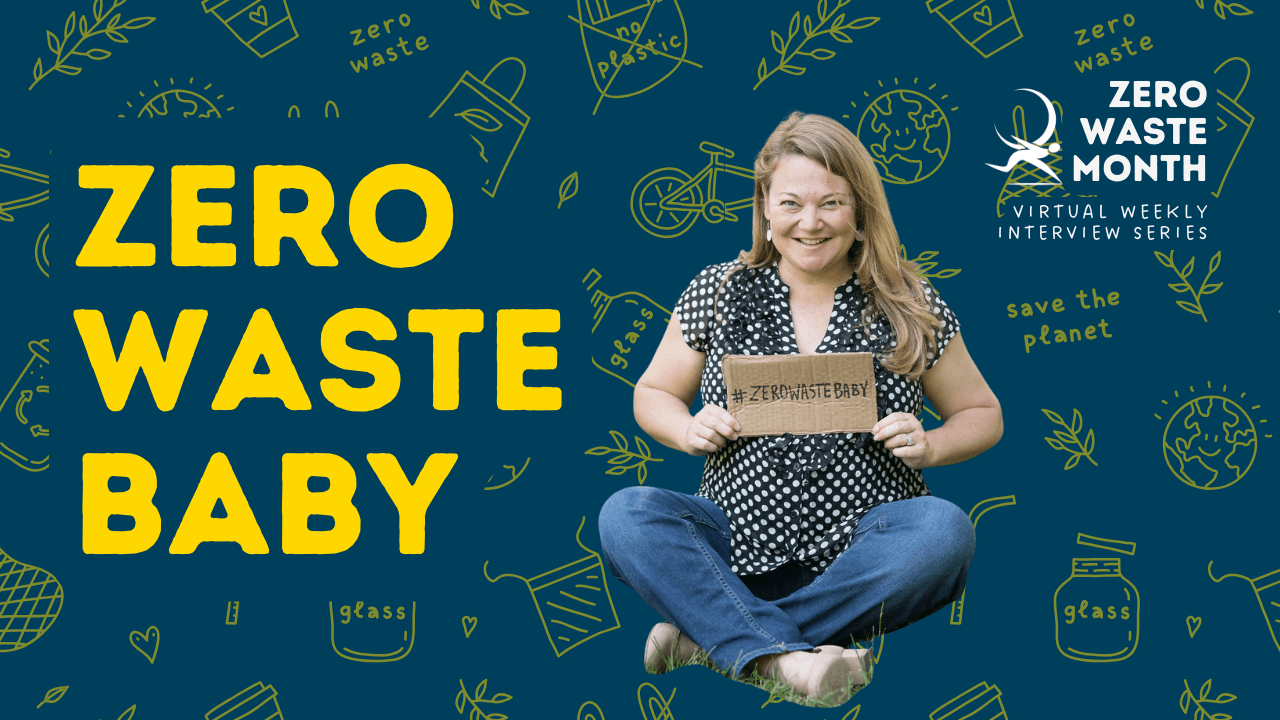
Zero Waste Month: Zero Waste Baby
Every child deserves a healthier start and a cleaner planet. Welcoming a new baby is a moment of joy and celebration for the entire family, but it can also carry a significant environmental footprint. From thousands of disposable diapers and wipes to piles of clothes, plastic packaging, gear, and toys, the arrival of a child often brings an avalanche of waste.
That is why the 2025 Zero Waste Month theme, Zero Waste Baby, highlights how raising a baby more sustainably is not only possible but also deeply rewarding. Choosing this path gives parents and caretakers the chance to make better choices for a child’s health and the planet. A new baby should not mean a mountain of waste.
Recognizing responsibility. Children of families in wealthier nations consume more resources and generate significantly more waste than those in lower-income countries. Marketing, convenience, and overconsumption have plagued us with “must-haves” that clutter our households and end up in the landfill.
Benefits for Baby - Raising a zero-waste baby does not mean depriving a child. A zero-waste baby grows up surrounded by safer, healthier materials. Natural and reusable products reduce exposure to chemicals found in disposable diapers, wipes, and plastic toys. Cloth diapers and organic cotton clothing are gentler on sensitive skin. Homemade baby food avoids both excess packaging and unknown components that can be found in commercial options.
Benefits for Parents - Zero waste habits can save money and simplify life. Babies grow so quickly that most clothes and gear are barely used before being discarded. By sourcing secondhand, borrowing from friends, or joining community swaps, parents can cut costs while reducing clutter. Many families succeed with a blended approach, using eco-disposables in the early weeks or while traveling, and switching to cloth at home. Washable wipes made from fabric scraps are a great waste-free replacement. Homemade baby food and breastfeeding, when possible, not only minimize waste but also save families thousands of dollars in the first year.
Benefits for the Planet – A single child can go through 2,500 diapers in the first year, each taking centuries to degrade into microplastic pollution. Disposable wipes and food pouches linger in landfills for millenia. Each decision to reuse clothing, choose cloth over disposable, or rely on natural fabrics helps keep waste out of landfills and oceans.
Relax. Zero Waste Is a Process, Not Perfection. Zero waste parenting is not about doing everything perfectly. It is about building habits that benefit the baby, support parents, and protect the planet. By starting small during the baby years, families create a foundation for a more conscious lifestyle that values community health and well-being over endless consumption.
Join us for Week 5 of the 2025 #Zero Waste Month Interview Series, Zero Waste Baby! Raising a baby more sustainably is not only possible but also deeply rewarding.
Hear from Race to Zero Waste's very own Zero Waste Baby moms, Myrna Gold and Teresa Bradley!
Zoom Registration Link: https://zoom.us/meeting/register/6wWizwQwRRizR-QlBhspGg
YouTube Live Link: https://www.youtube.com/live/hJg6edXbfO4?si=Dan5ioO_FOir5EuP