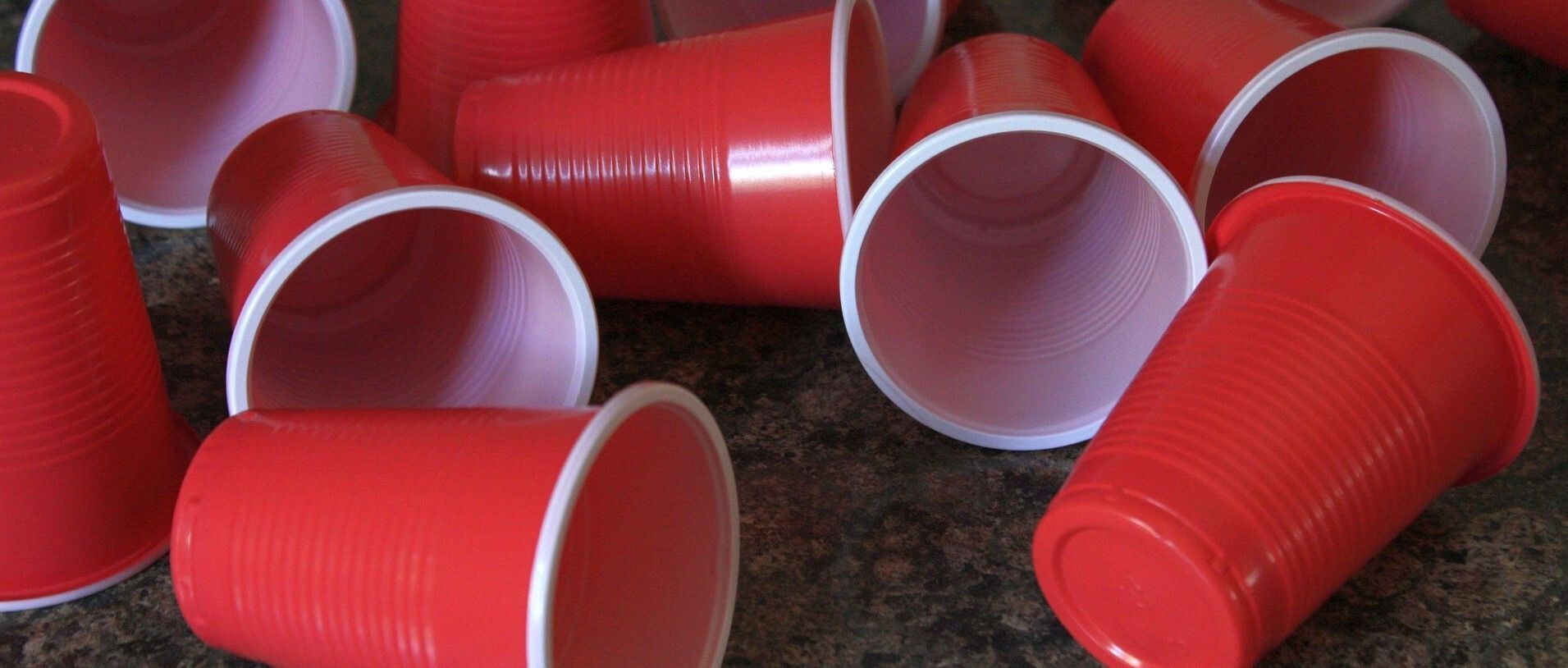
In the 1970s, as 8-track tapes and polyester suits were peaking in popularity, SOLO introduced a red plastic cup that would become the must-have item for cookouts and college parties. And although (most of us) have updated our music technology and fashion, we’re still partying like it’s 1979.
Image by bluebudgie from Pixabay
The Problem with this “Icon”
Like many single-use products, SOLO marketed the “red cups” under the guise of convenience and sanitation. Today, SOLO (a brand of Dart Container Company) boasts having 400,000 photo posts per year of their cups from “devoted fans.” What fans might not realize is that SOLO is the 2nd largest plastic pollution producer in the US.
The appeal of SOLO and similar cups is that they’re cheap and easy. If you’ve ever hosted a large party, you know the dread of having to clean up afterward. Why spend time washing dishes, cutlery, and cups when you can just throw everything away? But remember, there is no “away.”
But It Says #6 Plastics are “Recyclable”
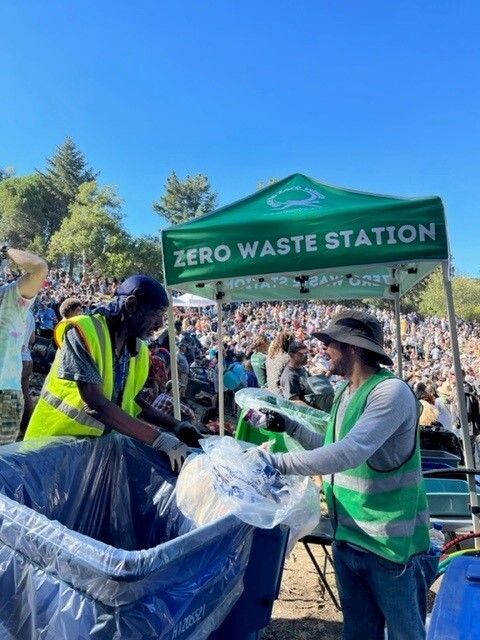
Well, we now know that these items don’t simply disappear when we toss them into a bin. Recycling centers sometimes accept #6 Plastics, also known as polystyrenes. Yet when they arrive, sorters pull aside this category of materials and designate it as landfill. This includes red cups (although they come in many colors), plastic straws and cutlery, as well as styrofoam. Zero Waste Specialists for Race to Zero Waste often wrestle with this fact when dealing with “trash” behind the scenes. We stay conscious of these issues as we conduct waste characterizations and educational outreach at places like Dolores Park in San Francisco.
At our Zero Waste stations, we instruct the public that #6 plastics go in the recycling bin in accordance with local waste management rules. But when pressed, we admit that polystyrene products have a very limited market. They are often shipped overseas where they are made into #7 plastics (a material associated with BPA-containing products) or they are incinerated. These processes may not be in our backyards, but the recycling of polystyrenes poisons our Earth and contributes to climate change, which we all face.
Time to Reflect
After the rise of #MeToo, Black Lives Matter, and other movements that have sought to dismantle toxic systems and thoughts within our society, when will we begin to also reflect on our throw-away culture? Although most of us would rather not, we support the fossil fuel industry through consuming single use plastic products. These issues are more connected than we may think. As when “thoughts and prayers” are offered instead of legislation and action when mass shootings occur, it is no longer acceptable for government agencies to allow these products to enter the waste stream knowing the harm they cause to the health of our planet and our bodies.
When we speak of intersectionality, we cannot ignore the racism and sexism that persists in marketing #6 plastics. Case in point- check out this global plastic pollution map or “food deserts” that exist within black, brown, and Indigenous communities. Watch this country music video that opens with the line “And you sir do not have a pair of testicles if you prefer drinking from glass.”
Still want to hold up your red cup? Or are you ready to take part in the cultural shift needed to combat plastic pollution and climate change?
What can I do?
The easiest way to reduce the use of #6 plastics and single-use cups is to take ownership of your actions.
If you’re invited to a party, bring your own cup. DIY chalices are great reusable alternatives as well as conversation pieces. And if you’re not fancy like that, any favorite cup or mug will suffice. Hosting a gathering? Remind folks to BYOC (Bring Your Own Cup) and have reusable cups on hand to give away. Local thrift stores have wide selections of inexpensive (and unique) cups.
If your gathering is at a bar or restaurant, demand that reusables be allowed. Many municipalities now allow the use of reusable cups, despite plastics industry lobbyists’ claims that disposables are safer to human health. You have power as a consumer. Bring your cup!
You can also email, call, or write your congressional representative to let them know you support the Break Free From Plastic Act, which calls for greater plastic producer responsibility in disposal. It also standardizes packaging so that items like red cups will be truly recyclable, among other actions.
#Ditch6
Last, sign on to our #Ditch6 pledge and join individuals and institutions in a global effort to reduce plastic waste and pollution.
As we face climate change, we must challenge the norms that have been constructed by entities that place profit ahead of our planet and our people. We need to see ourselves as part of a global community that defends the health and well-being of all inhabitants. In speaking on broader issues like war, poverty, and institutional racism in America, Bobby Seale, a co-founder of the Black Panther Party for Self-Defense said, “The only solution to pollution is a people’s humane revolution.” Let’s create new icons in our celebrations that support sustainability and healing of our communities everywhere.